Now Reading: Bulawayo mayor barred from hearing
-
01
Bulawayo mayor barred from hearing
Bulawayo mayor barred from hearing
by MANGALISO TSHUMA
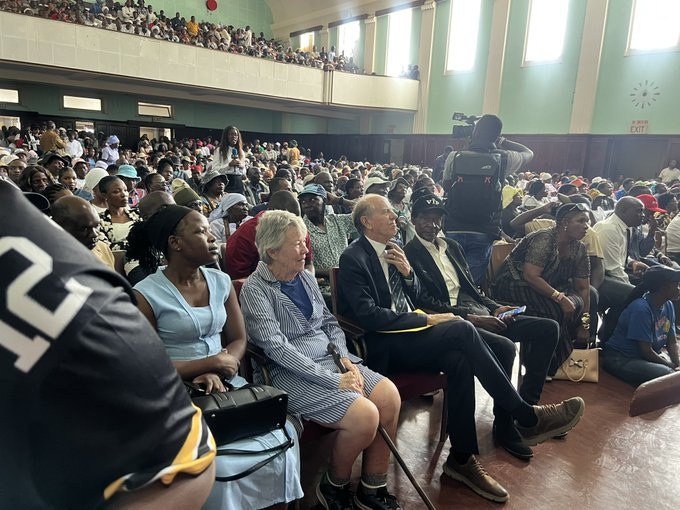
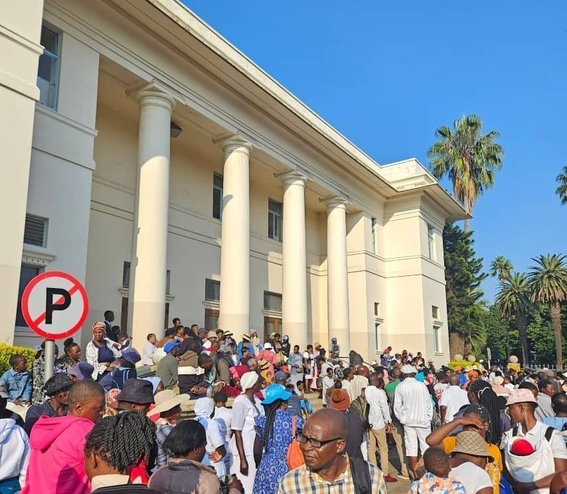
BULAWAYO – TENSIONS have emerged in Bulawayo when key voices were sidelined during public hearings on a proposed constitutional amendment bill.
The controversy has raised broader questions about transparency, inclusivity and the integrity of democratic consultation processes in Zimbabwe.
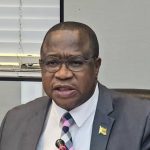
Bulawayo’s Executive Mayor, David Coltart, publicly criticised organisers after claiming he was repeatedly denied the opportunity to contribute.
Taking to social media, he described how his attempts to participate were ignored.
“The Chair of the meeting studiously ignored both Judith Todd and me. I was there on time… and stood up with my hand raised when it was clear the Chair was studiously ignoring me,” he said.
He added that the session ended abruptly, preventing both from sharing their views: “The meeting was brought to an abrupt end… and as a result both Judith Todd and I were denied the right to contribute.”
The exclusion of the city’s mayor—an elected representative of local residents—has sparked criticism from civil society voices.
Journalist Hopewell Chin’ono questioned the legitimacy of the process, stating, “How can this process be deemed transparent and fair when the mayor of a city cannot even contribute? This is a deliberate exclusion of key stakeholders and a mockery of democratic principles.”
He further argued, “Any process that sidelines a mayor of a city lacks credibility and cannot claim to reflect the will of the people.”
Other participants echoed similar concerns.
Terry Swing noted that the mayor had attended “as a citizen… and still he was shut out.”
Bhekinkosi Fuyana criticised what he described as dismissive attitudes toward public input, while Sheila Thomson emphasised that “anyone who goes should be heard, not just those who agree.”
These events highlight a critical risk in constitutional reform processes: when public hearings exclude key local voices—especially elected leaders—they undermine the very purpose of consultation.
Public participation is meant to reflect the views of the host community. Ignoring such voices creates the perception of a predetermined outcome, erodes trust and weakens democratic legitimacy.
Equally concerning are proposals—debated in some contexts—to remove the public’s direct role in electing a president, transferring that power to parliament.
While parliamentary systems exist globally, in fragile democracies this shift can concentrate power within political elites, reducing accountability to citizens.
When voters are excluded from choosing their national leader, it risks weakening public confidence, increasing political disengagement and limiting checks on executive authority.
Ultimately, credible constitutional reform depends on openness, fairness and meaningful inclusion. When these principles are compromised, both the process and its outcomes risk losing public trust.










Stay Informed With the Latest & Most Important News
Previous Post
Next Post
Previous Post
Next Post








Advertisement