Now Reading: Bulawayo voices reject constitutional changes
-
01
Bulawayo voices reject constitutional changes
Bulawayo voices reject constitutional changes
by MELUSI MHLANGA
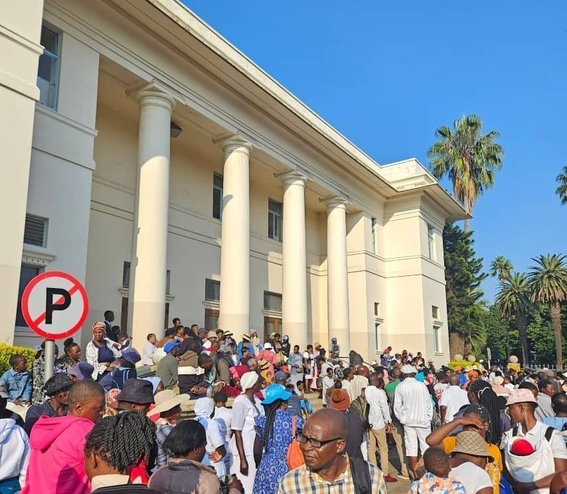
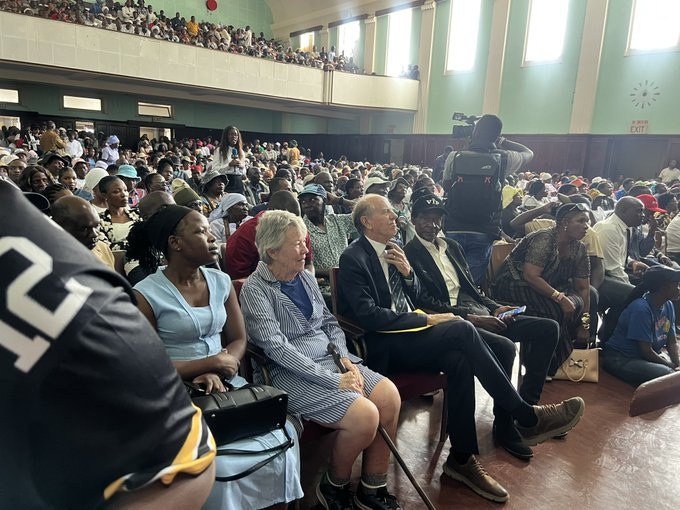
BULAWAYO – RECENT public hearings in Bulawayo on proposed constitutional amendments have drawn strong reactions from residents, highlighting broader concerns about democratic processes, public participation and political accountability in Zimbabwe.
Multiple participants rejected proposals linked to extending presidential terms and altering how national leaders are elected.
One resident, Tendai Luba Masotsha, argued that “360 MPs should not elect the president on behalf of more than 17 million Zimbabweans,” underscoring concerns about representation and legitimacy.
Similarly, Mkhululi Tshuma stated, “The Constitution belongs to the people… any changes should be made through a referendum. Therefore, I do not support Amendment No. 3.”
Other voices echoed these concerns.
Bruce Moyo firmly rejected the proposed changes, while Denford Sithole of the Zimbabwe National Students Union (ZINASU) warned that altering voting principles risks reversing gains tied to the historic struggle for universal suffrage.
“The reversal of one man, one vote is a step back to that painful history,” he said. Additional participants were even more direct, with one attendee stating, “This Bill must not see the light of day,” reflecting deep public unease.
These reactions highlight a critical democratic principle: constitutional reforms must genuinely reflect the will of the people.
Public hearings are designed to gather authentic local input. However, the practice—seen in various contexts globally—of transporting individuals from outside a constituency to influence proceedings undermines this purpose.
When submissions do not reflect the lived realities or interests of local communities, the process risks becoming performative rather than participatory. This erodes trust, distorts policy outcomes and weakens democratic legitimacy.
Equally significant are concerns about proposals to shift presidential elections from citizens to parliament.
Systems where legislatures elect the head of state can function in certain political models, but in contexts where strong checks and balances are absent, this shift can concentrate power among political elites.
It risks weakening direct accountability, as leaders become more dependent on party structures than on the electorate.
The principle of universal suffrage—commonly expressed as “one person, one vote”—is a cornerstone of modern democracy.
Removing or diluting this right can have far-reaching consequences. It may reduce voter participation, increase political apathy and heighten perceptions of exclusion, particularly among younger citizens.
Over time, such changes can destabilise governance by disconnecting leadership from public sentiment.
Moreover, extending terms of office without broad-based consent can fuel political tension and uncertainty. Constitutional stability depends on predictability, transparency and inclusivity.
Any perception that rules are being altered to benefit individuals or parties risks undermining institutional credibility.
As debates continue, the situation in Zimbabwe serves as a reminder of the importance of safeguarding democratic processes.
Genuine consultation, respect for voter rights and adherence to constitutional principles are essential to ensuring that governance remains accountable, inclusive and reflective of the people it serves.










Stay Informed With the Latest & Most Important News
Previous Post
Next Post










Advertisement