Now Reading: Matabeleland faces uneven harvest prospects
-
01
Matabeleland faces uneven harvest prospects
Matabeleland faces uneven harvest prospects
by MKHOKHELI NCUBE & BEKEZELA NDEBELE
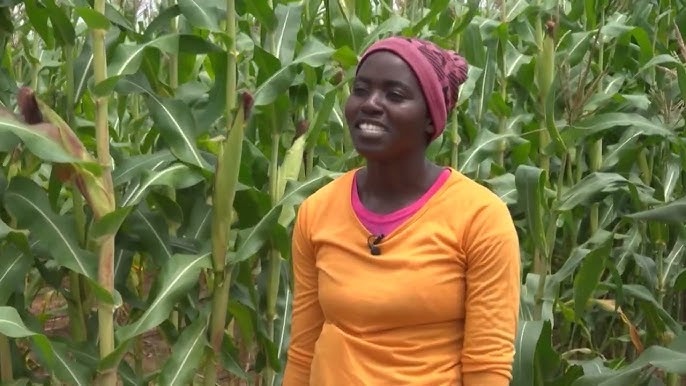
UMZINGWANE – FARMERS across Zimbabwe’s Matabeleland region are approaching the beginning of March 2026 with cautious optimism as crops planted during the 2025/26 rainy season show promising growth, although concerns about localised waterlogging in some places dry spells remain.
The main crops grown intensively in both Matabeleland North and Matabeleland South this season include maize, sorghum, millet and sugar beans.
Traditional grains such as sorghum and millet remain particularly important because they are more tolerant to the semi-arid climate of the region.
Many farmers also grow cowpeas and groundnuts, while some irrigation schemes have supported maize production.
Rainfall during the 2025/26 season has generally been favourable.
Climate forecasts predicted average to above-average rainfall across Zimbabwe due to a weak La Niña weather pattern, which has helped replenish water sources and improve crop development in many areas.
In Matabeleland South, districts such as Gwanda, Beitbridge, Plumtree and parts of Insiza are likely to record relatively good harvests.
Agricultural experts report that crops in many of these areas have reached tasselling or vegetative stages following steady rainfall since December, raising expectations for a potential bumper harvest if rains continue until the end of the season.
However, the outlook is not entirely uniform across the region. Some areas of Matabeleland North, including Binga, Hwange and parts of Lupane, could experience reduced yields due to erratic rainfall and periodic dry spells earlier in the season.
In addition, outbreaks of migratory locusts reported in parts of Matabeleland North may damage crops and grazing areas if not effectively controlled.
The region has also experienced periods of heavy rainfall followed by short dry spells, which could lower yields in some fields despite generally good seasonal totals.
These weather fluctuations may reduce the full harvest potential expected earlier in the season.
Livestock conditions in much of Matabeleland South are improving due to the better rains received this season.
Pastures have regenerated and water sources such as dams and rivers have been replenished, resulting in improved cattle body condition and grazing availability.
In Matabeleland North, livestock conditions are mixed.
While improved rains have boosted grazing in some districts, pest outbreaks and uneven rainfall may still affect pasture quality in certain areas.
Overall, food security prospects for 2026 appear moderately positive for many households in Matabeleland, especially where crops and grazing have benefited from good rainfall.
Nevertheless, vulnerable communities in drier districts may still face food shortages if dry spells persist or harvests fall below expectations.










Stay Informed With the Latest & Most Important News
Previous Post
Next Post









Advertisement