Now Reading: No jobs, high taxes: Youths challenge Mnangagwa
-
01
No jobs, high taxes: Youths challenge Mnangagwa
No jobs, high taxes: Youths challenge Mnangagwa
by NQOBANI MATIBELA in Gwanda & BEKEZELA NDEBELE in Lupane
GWANDA – As Zimbabwe prepares to commemorate its 46th Independence Day in Maphisa, Matobo District, Matabeleland South Province, discontent is simmering among the region’s youth, many of whom say they are ready to directly confront President Emmerson Mnangagwa over the country’s economic trajectory.
Young people in Matabeleland region have expressed deep frustration over what they describe as a contradiction: Zimbabwe is perceived to have some of the highest taxes in the Southern African Development Community (SADC), yet there is little visible development to justify the burden.
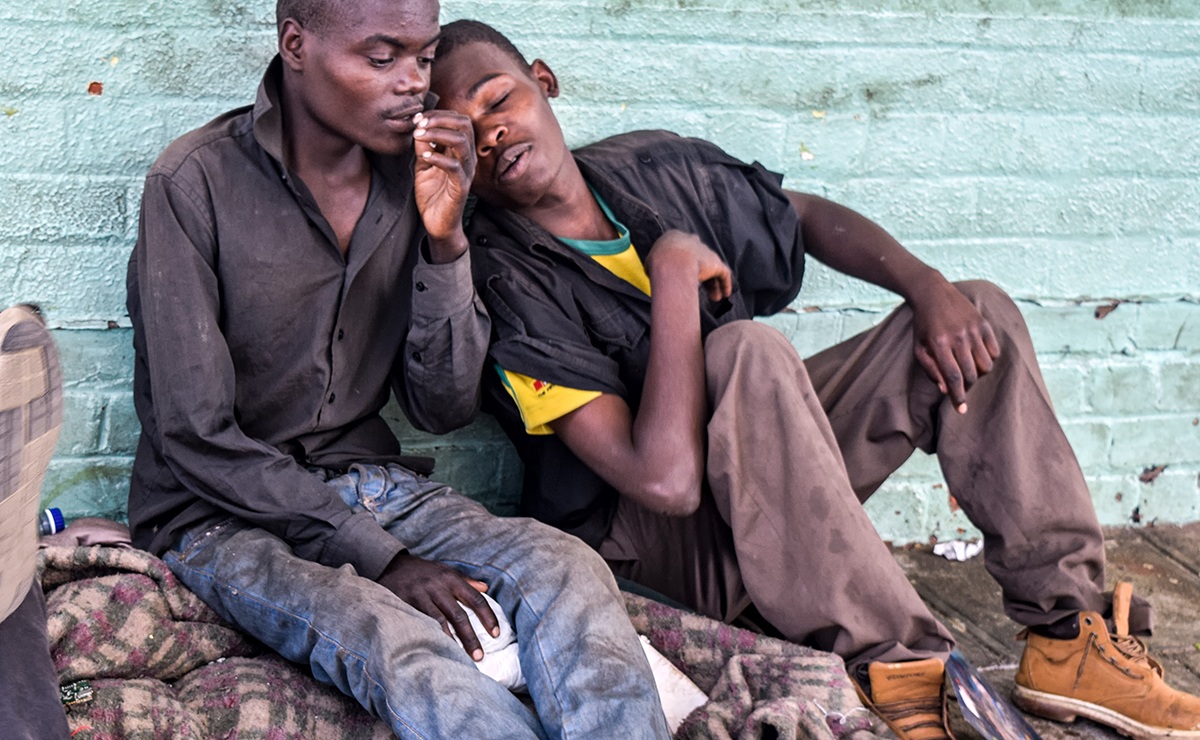
Widespread unemployment continues to plague the region.
Many young Zimbabweans, including graduates and skilled professionals, depend on neighbouring Botswana and South Africa for employment opportunities, often competing with local citizens.
This trend reflects a broader exodus of labour, with youths, academics, professionals, and entrepreneurs leaving the country in search of better prospects.
Critics attribute this migration to longstanding governance challenges under the ruling ZANU-PF, accusing the party of failing to create an enabling economic environment.
Allegations of corruption and mismanagement of natural resources are frequently cited as key concerns.
One youth, Mehluli Moyo, voiced the frustrations shared by many: “The question every young person here in Matabeleland is asking is this: why does Zimbabwe have some of the highest taxes in the region, yet there is no meaningful development? We have poor roads, inadequate hospitals, unreliable electricity, limited access to clean water, and crumbling infrastructure. Meanwhile, our mineral wealth appears to benefit only a few.”
Another resident, Mthokozisi Mangena, echoed similar sentiments: “Are we truly governed in the interests of the people? There is growing anger about corruption and the lack of accountability. Many are questioning the push to extend President Mnangagwa’s tenure. People are exhausted and demanding change.”
Several youths who spoke to Matabele Today said they intend to use the Independence Day commemorations on 18 April as an opportunity to demand answers from the country’s leadership, including Finance Minister Mthuli Ncube.
Their concerns include the high cost of living, with Zimbabwe reportedly facing some of the region’s highest fuel prices, data costs, toll fees, and passport charges, while wages remain comparatively low.
Adding to the national discourse, the Zimbabwe Catholic Bishops’ Conference recently issued a pastoral statement urging leaders to prioritise justice, transparency, and the welfare of citizens.
The statement warned against deepening inequality and called for urgent reforms to restore public trust and dignity.
“A nation cannot prosper where inequality, corruption, and hopelessness prevail. Leadership must serve the common good, uphold justice, and ensure that the resources of the country benefit all citizens,” the bishops stated.
Analysts warn that Zimbabwe’s situation reflects a broader structural risk: a country with a large population of unemployed and underemployed young people—even those with high levels of education—faces significant long-term instability.
Idle but highly qualified youths represent both lost economic potential and a potential source of social unrest.
Without meaningful employment opportunities, frustration can deepen, leading to increased migration, brain drain, and, in some cases, civil discontent.
Economies thrive when skilled individuals are productively engaged; when they are not, the consequences can include weakened institutions, reduced innovation, and strained public services.
Experts caution that investing in job creation, skills utilisation, and inclusive economic policies is essential not only for growth but also for national stability.
Failure to address youth unemployment risks entrenching cycles of poverty and undermining confidence in public institutions while chance for high crime rate cannot be ruled out.
As Zimbabwe approaches its Independence Day celebrations, the voices from Matabeleland South highlight a critical moment: a demand not only for answers, but for tangible change in the lives of ordinary citizens.










Stay Informed With the Latest & Most Important News
Previous Post
Next Post
Previous Post

Next Post








Advertisement