Now Reading: Bulawayo tourism rising in Zimbabwe
-
01
Bulawayo tourism rising in Zimbabwe
Bulawayo tourism rising in Zimbabwe
by MELUSI MHLANGA
BULAWAYO, Zimbabwe’s second-largest city and the gateway to the Matabeleland region, is steadily emerging as one of Southern Africa’s most attractive tourism destinations.
Located in the south-western part of Zimbabwe, Bulawayo is celebrated for its rich cultural heritage, historic architecture, warm hospitality and close proximity to some of the country’s most iconic natural attractions.
Often referred to as the “City of Kings and Queens”, Bulawayo blends history, culture, wildlife and modern urban life in a way few African cities can match.
The city serves as the cultural heartland of the Ndebele people and remains deeply rooted in Zimbabwe’s liberation history and traditional identity.
Tourism in Bulawayo continues to grow because of the city’s unique ability to offer visitors both urban comfort and easy access to nature.
Travellers are drawn by its peaceful atmosphere, wide tree-lined streets, colonial-era buildings and vibrant arts scene.
Unlike busier African cities, Bulawayo offers a relaxed experience that allows visitors to fully appreciate its beauty and heritage.
One of the city’s biggest tourism advantages is its strategic location near world-famous attractions.
Visitors arriving in Bulawayo often use the city as a base to explore Matobo National Park, known for its dramatic balancing rock formations, ancient San rock art and rhino tracking experiences.
The park is also home to the grave of Cecil John Rhodes atop Malindidzimu Hill, which offers breathtaking panoramic scenery.
Another major attraction is Hwange National Park, Zimbabwe’s largest wildlife reserve, renowned for its elephants, lions and diverse safari experiences.
Visitors also enjoy exploring the Natural History Museum of Zimbabwe, which houses one of Africa’s finest collections of wildlife exhibits and historical artefacts.
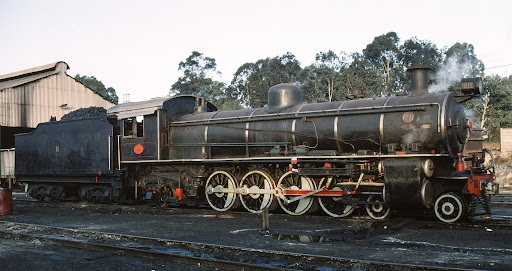
Within the city itself, tourists enjoy attractions such as the Railway Museum, Centenary Park and local craft markets that showcase traditional Zimbabwean art, beadwork and sculpture.
Bulawayo’s food culture is another major attraction.
Visitors are increasingly drawn to authentic local dishes such as sadza, nyama yenkomo, goat meat, mopane worms and roasted maize.
Traditional beverages, including maheu and locally brewed sorghum drinks, provide tourists with a rich taste of Zimbabwean culture.
Restaurants and cultural festivals continue to promote local cuisine as part of the city’s tourism identity.
Tourism has become an important job-creating sector in Bulawayo, supporting hotels, restaurants, tour operators, transport businesses, craft traders and community tourism projects.
The industry also creates opportunities for young people in hospitality, guiding, photography, entertainment and digital marketing.
To unlock Bulawayo’s full tourism potential, authorities should strengthen international marketing campaigns, improve road infrastructure, modernise tourism facilities and support investment in hotels and entertainment centres.
Expanding flight connectivity and hosting international cultural festivals would further position the city as a premier African tourism destination.
With its unique blend of culture, wildlife, history and hospitality, Bulawayo remains one of Zimbabwe’s hidden tourism gems, offering visitors an unforgettable African experience.
– CAJ News










Related Posts
Stay Informed With the Latest & Most Important News
Previous Post
Next Post









Advertisement